Da Nang’s island markets represent the city’s most authentic trading hubs. These are the places where fishermen sell their morning catch before sunrise and where local artisans continue traditional crafts. Venturing to these less-traveled markets means experiencing the salty air of the Son Tra Peninsula and the waters around Cham Island, moving away from the busy city markets.
Da Nang’s island markets are most active between 6:00 AM and 9:00 AM, coinciding with the arrival of fishing boats. Unlike the more commercial Han Market or Con Market, these island stalls offer direct sales to the local community, ensuring fresher products and more competitive prices. The historical trade routes connecting the Son Tra Peninsula and Cham Island to the mainland have fostered these markets for generations, reflecting a deep connection to maritime life.
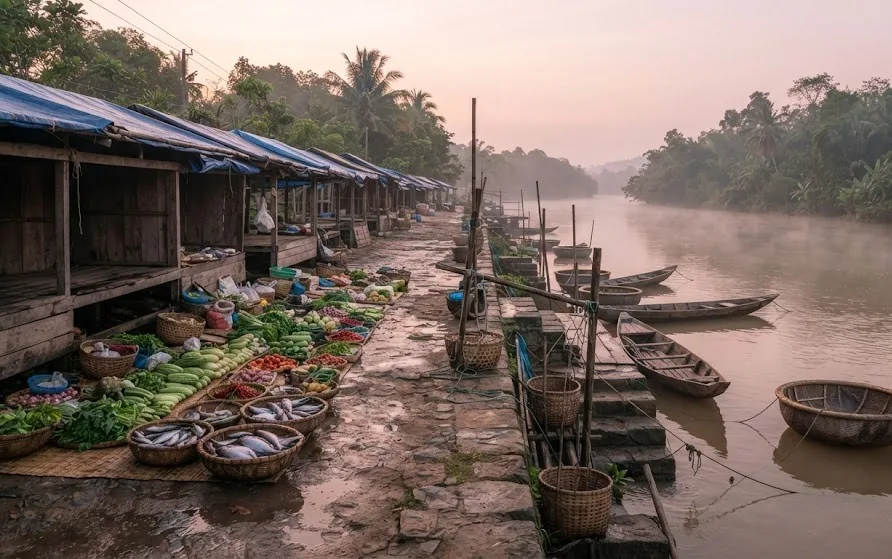
Discovering Da Nang’s Authentic Island Markets
Da Nang’s island markets are primarily community-focused trading points situated on the Son Tra Peninsula and Cham Island, catering primarily to local residents. These markets are characterized by their intimate scale, featuring vendors who offer goods sourced directly from the day’s harvest or their craft. You’ll find fresh seafood and handcrafted items, distinct from the larger, more commercialized city markets.
Island Markets vs. Han Market and Con Market
While Han Market and Con Market are large, multi-level commercial centers in Da Nang, island markets operate on a more traditional model. An island market stall might be a simple setup with a table and a tarp, displaying fresh catches on ice with prices written in Vietnamese. These markets lack the amenities of their city counterparts, offering instead a genuine glimpse into local commerce and daily life.
The Role of Son Tra Peninsula and Cham Island in Local Trade
The Son Tra Peninsula, located northeast of Da Nang, hosts small fishing communities like Tho Quang, where fishing activities commence before dawn. Cham Island, a group of islands approximately 15 kilometers offshore, features a central market on Hon Lao island that serves as a key distribution point for seafood, seaweed, and local produce. These established trade routes have supported island communities for centuries.
Optimal Visiting Times for Island Markets
To experience the markets at their most vibrant, aim for a visit between 6:00 AM and 9:00 AM. This period captures the peak activity as boats return with their catch. By 10:00 AM, many vendors begin to wind down their operations.
Early Morning Activity: Boat Arrivals and Stall Openings
Fishermen from the Son Tra Peninsula typically depart for sea between 2:00 AM and 4:00 AM. Upon their return, the catch is quickly sorted and prepared for sale. This creates a dynamic trading environment where vendors engage in rapid negotiations. For visitors, this means the widest selection is available within a specific morning window.
Seasonal Availability of Seafood and Produce
The markets’ offerings are dictated by the sea’s bounty and local agriculture. For instance, squid season generally runs from March to August. Blue crab is more abundant during warmer months. The rainy season (October to December) may see fewer boats due to rougher seas, but different types of fish become available. Island-grown produce, such as Cham Island’s pepper, is harvested in early summer, while its seaweed is typically collected during the cooler months.
Navigating to Da Nang’s Island Markets
Reaching these markets requires some logistical planning, often involving boat travel or a scooter ride. The journey itself is an integral part of the experience.
Accessing Markets via Boat and Road
For Cham Island, the primary access point is the ferry from Cua Dai port in Hoi An, a journey of about 45 minutes to an hour. The Son Tra Peninsula is accessible by road; renting a scooter in Da Nang provides a flexible way to reach fishing villages like Tho Quang. Some local operators offer boat tours from the Han River that can include market visits, though these are less common.
Local Guides and Organized Tours
Engaging a local fisherman as a guide can offer unparalleled insights into island life and market operations. These guides can facilitate visits to less-known spots and provide context about local practices. Organized day tours to Cham Island usually include market stops but may offer a more superficial experience compared to a dedicated local guide.
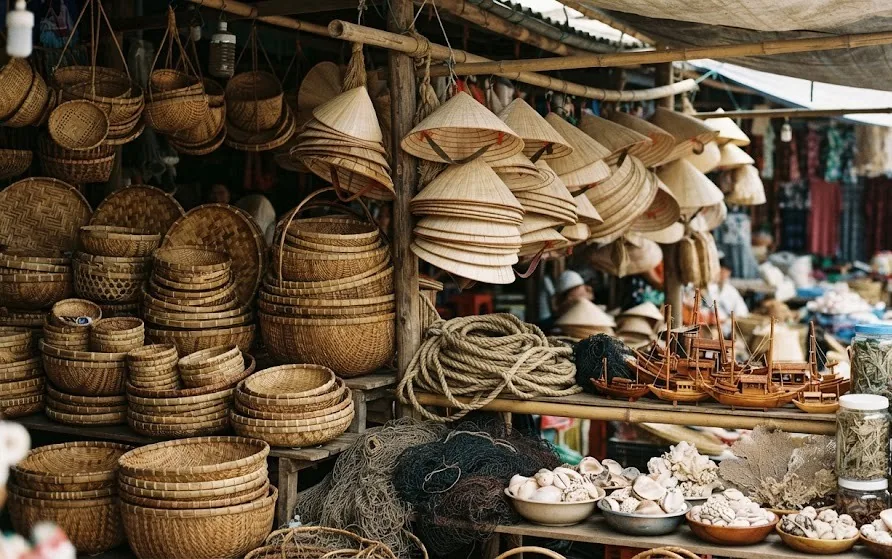
Unique Finds at Island Markets
Island markets are excellent places to discover handcrafted items and preserved local products that reflect coastal traditions.
- Cham Seaweed Snacks: Dried and lightly salted seaweed harvested from Cham Island, offering a crispy texture.
- Squid Jerky: Sun-dried and grilled squid, known for its smoky flavor.
- Island Fish Sauce: Small-batch fermented fish sauce from Cham Island, noted for its rich taste. Prices can range from 50,000 to 150,000 VND per liter.
- Handwoven Bamboo Baskets: Crafted by artisans on the Son Tra Peninsula using traditional methods.
- Island-Grown Pepper: Highly aromatic peppercorns from Cham Island.
- Dried Shrimp and Fish: Sun-dried staples used in island kitchens.
Artisan Crafts: Baskets and Bamboo Goods
The art of bamboo weaving on the Son Tra Peninsula is a skill passed down through generations. These handmade baskets, ranging from small fruit holders to larger storage items, can cost between 100,000 and 200,000 VND for a medium size, reflecting the labor involved. Examining the tightness and evenness of the weave can indicate quality.
Specialty Food Items: Fish Sauce, Salt, and Dried Seafood
Island salt, harvested from tidal flats, offers a distinct mineral profile. Alongside local fish sauce and dried seafood, these items are fundamental to regional cuisine. When purchasing dried seafood, look for pliable pieces with consistent color, indicating proper drying. High-quality fish sauce should have a deep amber-brown hue and a savory aroma.
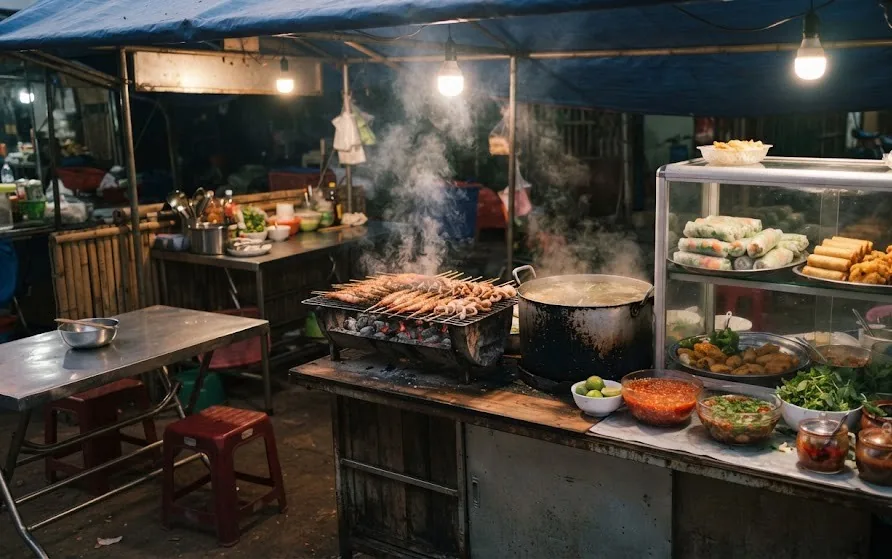
Culinary Experiences at Island Markets
The authentic flavors of island markets are best experienced through the fresh seafood prepared on-site, often using locally sourced herbs and spices.
Freshly Prepared Seafood
Grilled sea urchin is a notable specialty on Cham Island, prepared with scallion oil and charcoal-grilled. Stuffed and grilled squid is another popular dish. A plate of grilled seafood at an island market stall typically costs between 100,000 and 200,000 VND.
Island Variations of Local Dishes
Banh xeo, the Vietnamese savory pancake, is prepared with a thinner batter and more turmeric on the islands. It’s often served with wild herbs like rau ram, which has a sharper flavor than its city counterpart. Freshly ground island pepper can also enhance the dish. These variations offer a distinct taste compared to versions found in Da Nang city.
Navigating Market Etiquette and Bargaining
Approaching island markets with a friendly demeanor and respect for local customs is key to a positive experience and can lead to better interactions and prices.
Pricing and Negotiation Practices
Seafood and produce at island markets generally have fixed prices, reflecting their direct sourcing. Handicrafts and souvenirs may offer some room for negotiation, but it’s expected to be a gentle process. A polite inquiry about the price is the standard approach.
Cultural Etiquette for Visitors
Beginning interactions with “xin chao” (hello) shows respect. Always ask for permission before taking photographs of vendors or their goods. Using both hands when exchanging money is a customary gesture. Expressing thanks with “cam on” (thank you) after a purchase or interaction is appreciated.
Common Pitfalls to Avoid
Understanding common mistakes can help ensure a more enjoyable market visit.
Timing Your Visit
Arriving late in the morning means missing the freshest catch and the most active trading. Aim to visit by 7:00 AM to experience the market at its peak.
Payment and Preparation
Island markets are predominantly cash-only. It is advisable to bring smaller denominations of Vietnamese Dong, as vendors may not have change for large bills. Checking the weather forecast is also recommended, as rough seas can impact market operations.
Related on this site
- Da Nang’s Best Beaches for Swimming and Sunbathing 2026
- Da Nang’s Island Adventures: Discovering Nearby Paradises 2026
- Discovering Da Nang’s Hidden Beaches: An Insider’s Guide 2026
Frequently Asked Questions
Are Da Nang’s island markets open daily?
Most island markets operate daily, with variations in stock depending on fishing success and weather conditions. Cham Island’s market is most active during favorable weather.
What is a reasonable budget for an island market visit?
For a visit that includes sampling local food and purchasing small items, a budget of 300,000 to 500,000 VND per person is generally sufficient.
Can island markets be visited as part of a day trip?
Yes, day trips from Da Nang to Cham Island often include brief market visits. Exploring the Son Tra Peninsula independently by scooter is also feasible. For a more in-depth market experience, consider hiring a local guide.
Is the food at island market stalls safe to eat?
Food safety at island markets is comparable to other local eateries in Vietnam. Choosing busy stalls with high customer turnover and observing food preparation practices are recommended precautions.
What is the best way to travel from Da Nang to Cham Island markets?
The most common method is the ferry from Cua Dai port in Hoi An. Some tour operators also provide speedboat services from Da Nang.
Do island market vendors speak English?
English proficiency among vendors is limited. Learning basic Vietnamese phrases such as “xin chao,” “bao nhieu?” (how much?), and “cam on” can greatly enhance communication.
Conclusion
Da Nang’s hidden island markets offer a rewarding experience for travelers seeking authentic local interactions and unique finds. These markets provide a genuine connection to the region’s coastal culture, distinct from more tourist-oriented destinations. Whether observing the morning’s catch or tasting island specialties, these markets deliver memorable travel moments.
Planning your visit, carrying appropriate cash, and embracing the local rhythm are essential for fully appreciating the offerings of these unique trading points.
Part of our guide to things to do in Da Nang.