Da Nang Meditation Retreat: Find Inner Peace 2026 is your practical guide to choosing the right retreat in Vietnam’s most livable coastal city. With the Son Tra Peninsula’s ancient forests, the spiritual gravity of Linh Ung Pagoda, and a growing wellness scene, Da Nang offers meditation experiences ranging from monastery donations to luxury resort programs. This guide breaks down retreat types, costs, seasonal timing, and planning logistics so you can book with confidence.
Most travelers overlook Da Nang as a meditation destination, but it holds a distinct advantage over Hoi An and Hue: nature and urban convenience converge within a 30-minute radius. The Son Tra Peninsula’s 4,400 hectares of protected forest hosts pagodas where monks still practice daily, while beachfront wellness resorts offer structured programs for beginners. Prices range from $15 per night at monasteries to $200+ at luxury spas, with the dry season from January to August providing the most reliable weather for outdoor practice.
What Makes Da Nang a Unique Destination for a Meditation Retreat in 2026
Da Nang’s meditation scene differs from other Vietnamese cities because of its geography. You can practice silent meditation in a forested peninsula in the morning and be eating fresh seafood by the beach in the afternoon. This duality — nature immersion plus urban accessibility — makes it ideal for first-timers who want a retreat without feeling completely removed from modern comforts.
The Son Tra Peninsula: Where nature meets contemplative practice
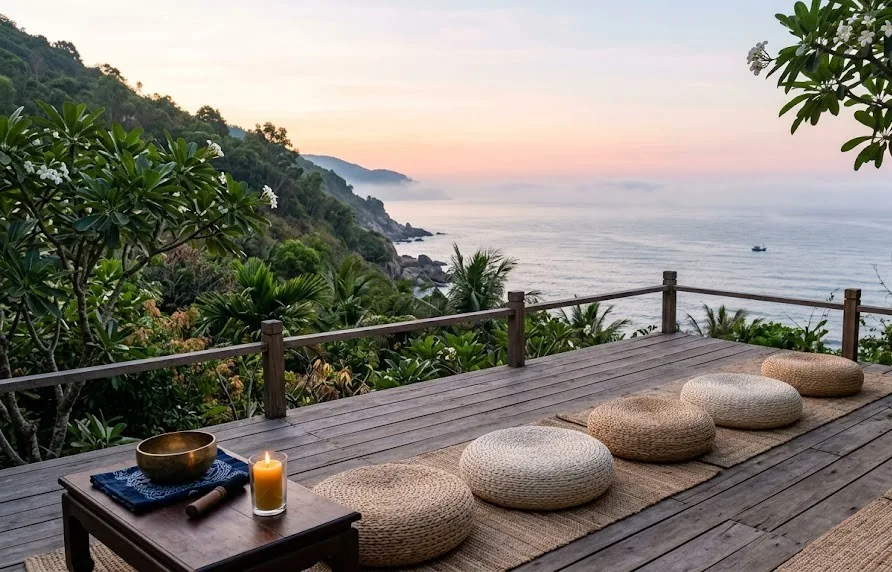
Son Tra Peninsula, often called Monkey Mountain by locals, rises 693 meters above sea level and is covered in primary forest. The quiet roads winding through the peninsula lead to small pagodas and meditation halls that receive few international visitors. The natural soundscape — waves crashing below, birds in the canopy, wind through the trees — replaces the noise of city life, which is why several retreat organizers choose this location for outdoor walking meditation and breathwork sessions.
Linh Ung Pagoda and the region’s living Buddhist heritage
Linh Ung Pagoda on Son Tra Peninsula is home to a 67-meter-tall Guanyin statue, the tallest in Vietnam, and it functions as an active Buddhist center rather than just a tourist attraction. Monks and nuns live on-site, and visitors can join morning chanting sessions or simply sit in the meditation hall overlooking the East Sea. The pagoda’s hilltop position provides a natural elevation that many practitioners say enhances concentration — the panoramic view of the coastline creates a sense of expansiveness that supports contemplative practice.
How Da Nang compares to Hoi An and other central Vietnam retreat hubs
Hoi An, located about 30 kilometers south, hosts luxury wellness retreats like the Four Seasons Nam Hai, but these cater to high-end travelers seeking spa treatments alongside meditation. Hue, 100 kilometers north, offers deep Buddhist heritage at historic pagodas but lacks the modern wellness infrastructure. Da Nang sits between these two extremes: it has authentic Buddhist institutions like Thien Vien Truc Lam, mid-range retreat centers, and international-standard resorts — all within one city. For travelers wanting variety without long transfers, Da Nang wins.
Types of Meditation Retreats Available in Da Nang
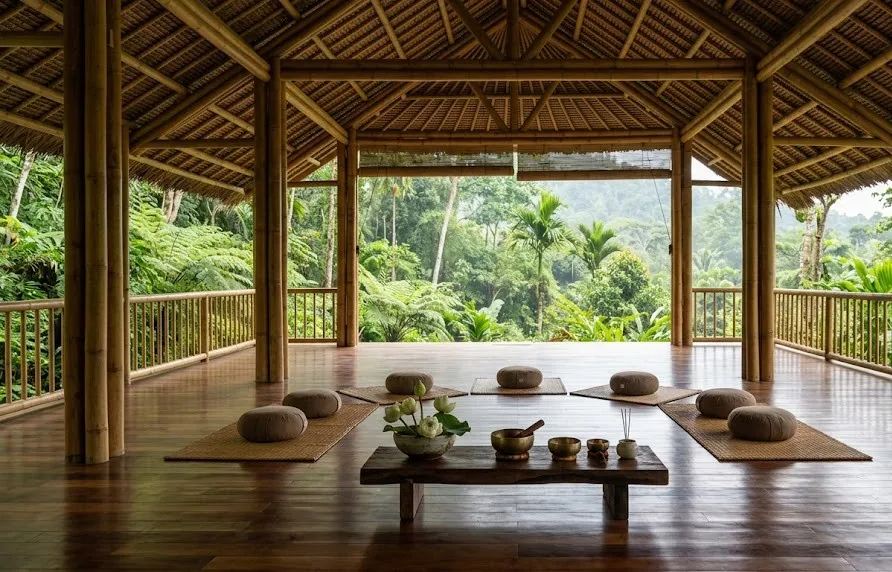
Da Nang’s retreat options fall into four main categories, each with different commitments, costs, and outcomes. Understanding the differences helps you match a retreat format to your experience level and available time.
Silent Vipassana retreats — what the daily schedule actually looks like
Vipassana retreats in the tradition of S.N. Goenka follow a strict format: noble silence from the first evening to the final morning, ten hours of meditation daily, and simple vegetarian meals. The schedule begins at 4:30 AM with waking bells, followed by sitting meditation, walking meditation, and group discourses. Da Nang doesn’t have a permanent Vipassana center, but regional retreats in central Vietnam periodically organize 10-day courses, and some local centers offer 3-day silent intensives for those with less time.
Zen Buddhist retreats at local pagodas and monasteries
Thien Vien Truc Lam, a Zen monastery in the Truc Lam lineage, sits on a hill west of Da Nang’s city center. The monastery welcomes lay practitioners for short stays, typically 2-7 days, and follows a schedule of sitting meditation (zazen), walking meditation, and working meditation — where participants help with cleaning and gardening as part of the practice. English-speaking guidance is limited but available on request, and the monastery operates on a donation basis rather than fixed pricing.
Luxury wellness and yoga retreats with meditation components
Several beachfront resorts in Da Nang — including properties along My Khe Beach and Non Nuoc Beach — offer wellness packages that combine daily yoga, guided meditation, spa treatments, and healthy meals. These programs are less intensive than monastery stays but provide structured entry points for beginners. A typical luxury retreat day includes a 7 AM yoga class, a 10 AM meditation session, free time for swimming or spa treatments, and evening breathwork or sound healing. These packages suit travelers who want relaxation with a mindfulness component rather than full immersion.
Day retreats and drop-in sessions for travelers short on time
If you’re in Da Nang for only a few days, day retreats and drop-in meditation sessions offer a taste of contemplative practice without overnight commitment. Some yoga studios near My Khe Beach host morning meditation sessions open to walk-ins, and tour operators arrange half-day experiences combining pagoda visits with guided sitting meditation. These shorter formats typically last 3-4 hours and cost between $25-50, making them accessible for travelers who want to sample meditation before committing to a longer retreat.
| Retreat Type | Typical Duration | Cost Range | Commitment Level | Best For |
|---|---|---|---|---|
| Silent Vipassana | 3-10 days | $20-40/day (donation) | High — noble silence, strict schedule | Experienced meditators, serious practitioners |
| Zen Buddhist (Thien Vien Truc Lam) | 2-7 days | $15-30/night (donation) | Medium — daily schedule, simple living | Those seeking authentic monastic experience |
| Luxury wellness & yoga | 3-7 days | $200-500/night | Low-medium — flexible schedule | Beginners, travelers wanting comfort |
| Day retreats & drop-in | Half day | $25-50 | Low — no overnight stay | Short-stay travelers, sampling practice |
Best Time to Book a Da Nang Meditation Retreat in 2026
Da Nang’s tropical monsoon climate creates two distinct retreat seasons, and choosing the right window affects both your experience and your budget. The dry season offers reliable sunshine for outdoor practice, while the rainy season brings lower prices and fewer crowds.
Dry season (January–August): optimal weather windows for outdoor practice
January through August brings the most stable weather, with temperatures ranging from 22-34°C and minimal rainfall. February through May is the sweet spot: temperatures stay below 30°C, humidity is manageable, and the sea is calm. Morning meditation outdoors on Son Tra Peninsula or by the beach is comfortable during these months. June through August gets hotter, but early morning practice before 7 AM remains pleasant, and the sea breeze provides natural cooling at beachfront retreat centers.
Rainy season (September–December): indoor retreat options and lower rates
September through December sees increased rainfall, with October and November being the wettest months. Monastery stays remain unaffected since practice happens indoors, and the rain creates a cocooning atmosphere that some meditators find conducive to introspection. However, outdoor walking meditation and beach sessions become less reliable, so confirm your retreat center’s indoor facilities before booking.
Aligning your retreat with Buddhist holidays and full moon meditation days
Buddhist lunar observances — particularly full moon days (Uposatha) and major holidays like Vesak (Buddha’s birthday, typically May) — often feature special meditation events and chanting ceremonies at Da Nang’s pagodas. Joining a retreat that coincides with these dates adds cultural depth to your practice. Note that Tet (Lunar New Year, late January or February 2026) sees many monasteries and retreat centers close or operate with reduced schedules, so avoid booking during this period unless you specifically want to experience Tet celebrations.
What to Expect: A Typical Day at a Da Nang Meditation Retreat
Understanding the daily rhythm of a retreat helps you prepare mentally and physically. While schedules vary by retreat type, most follow a similar structure built around alternating sitting and walking meditation.
Morning sitting practice and walking meditation routines
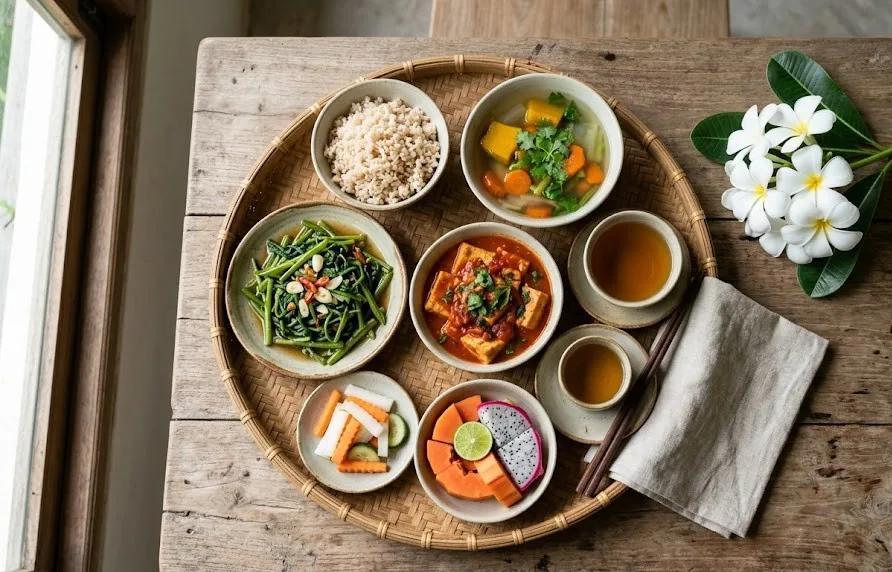
A typical retreat day begins early. At monastery-based retreats, a bell rings at 5:00-5:30 AM, and the first sitting meditation session runs 45-60 minutes. This is followed by walking meditation — slow, deliberate pacing that develops concentration and body awareness. Walking meditation at Da Nang retreats often happens outdoors, either in monastery gardens or along designated paths on Son Tra Peninsula. Breakfast follows, eaten mindfully and in silence at many retreats, with simple Vietnamese vegetarian food like congee, fresh fruit, and steamed vegetables.
Dharma talks, breathwork, and body-focused techniques
Mid-morning sessions typically include a dharma talk — a teaching on Buddhist philosophy or meditation technique — lasting 30-60 minutes. In English-speaking retreats, teachers explain concepts like impermanence, non-attachment, and the nature of suffering, then guide students through specific techniques. Breathwork sessions focus on techniques like diaphragmatic breathing or alternate nostril breathing, which activate the parasympathetic nervous system and reduce stress responses. Body scan meditations, where attention moves systematically through the body, are also common in Vipassana-style retreats.
Evening wind-down: sound healing, journaling, and digital detox protocols
Evenings at Da Nang retreats wind down gradually. After dinner, many centers offer sound healing sessions using singing bowls, gongs, or recorded nature sounds. Journaling is encouraged as a way to process insights from the day’s practice, and some retreats provide structured journaling prompts. Digital detox is a core component — most retreats ask participants to surrender phones at check-in or restrict usage to designated times. This separation from screens is often cited by participants as one of the most challenging yet rewarding aspects of the retreat experience.
- 5:00-5:30 AM — Wake-up bell, morning stretching or light yoga
- 5:30-6:30 AM — First sitting meditation session
- 6:30-7:30 AM — Walking meditation (outdoors when weather permits)
- 7:30-8:30 AM — Mindful breakfast in silence
- 9:00-10:30 AM — Dharma talk or guided breathwork session
- 10:30-11:30 AM — Sitting meditation or body scan practice
- 12:00-2:00 PM — Lunch, rest, personal time
- 2:00-4:00 PM — Afternoon practice: walking meditation, working meditation, or individual practice
- 4:00-5:30 PM — Sitting meditation, sometimes with tea ceremony
- 5:30-6:30 PM — Light dinner
- 7:00-8:30 PM — Evening session: sound healing, dharma discussion, or journaling
- 9:00-9:30 PM — Lights out, noble silence maintained
Practical Costs and How to Choose a Retreat That Fits Your Budget
Retreat costs in Da Nang vary dramatically based on the format you choose. Understanding what’s included — and what’s not — prevents unexpected expenses and helps you allocate your budget effectively.
Price ranges: monastery stays vs. mid-range retreat centers vs. luxury resorts
Monastery stays at Thien Vien Truc Lam operate on a donation basis, with suggested contributions around $15-30 per night covering meals and accommodation. Mid-range retreat centers and yoga retreats typically charge $50-100 per night for private rooms, including all meals and daily sessions. Luxury wellness resorts along My Khe Beach and Non Nuoc Beach command $200-500 per night for comprehensive packages that include spa treatments, private meditation instruction, and premium accommodation. Your choice depends on comfort preferences and the level of structure you want.
What’s typically included — meals, accommodation, sessions, airport transfers
Most retreat packages include accommodation, three vegetarian meals daily, and all scheduled meditation and yoga sessions. Luxury resorts usually include additional amenities like pool access, spa credits, and sometimes airport transfers. Monastery stays include simple meals and shared accommodation but may not provide meditation cushions or other equipment — you’re expected to bring your own or adapt. Mid-range retreat centers typically provide basic meditation cushions and mats but may charge extra for private rooms, laundry services, or specialized workshops.
Hidden costs to ask about before booking (donation expectations, transport, materials)
Before booking, clarify several potential hidden costs. Monastery stays run on donations, and while there’s no fixed fee, contributing $15-30 per night is customary to support the community. Transport to retreat venues — especially those on Son Tra Peninsula or in the mountains west of the city — may not be included; Grab rides from Da Nang city center cost $10-20 each way. Some retreats charge extra for printed materials, meditation cushions, or rental of shawls and blankets for cooler mornings. Always ask for a complete price breakdown before committing.
| Price Tier | Cost Per Night | What’s Included | What’s Extra |
|---|---|---|---|
| Monastery (Thien Vien Truc Lam) | $15-30 (donation) | Shared room, vegetarian meals, daily sessions | Transport, meditation cushion rental, private room |
| Mid-range retreat center | $50-100 | Private or shared room, meals, scheduled sessions | Airport transfer, laundry, specialized workshops |
| Luxury wellness resort | $200-500 | Premium room, all meals, spa credits, full program | Alcohol (if available), extra spa treatments, excursions |
How to Plan Your Da Nang Meditation Retreat Trip
Planning a successful retreat trip involves more than booking a bed. Logistics, transportation, and mental preparation all contribute to the quality of your experience.
Booking your retreat: direct vs. via platforms, lead time for 2026
Book directly with retreat centers when possible — this gives you the most accurate information about schedules, teacher availability, and current pricing. Platforms like BookRetreats and Tripaneer list Da Nang retreats with verified reviews, which is useful for comparing options, but they often add service fees. For popular retreats in the dry season, book 4-8 weeks in advance. Luxury resorts can be booked closer to arrival, but monastery stays and silent retreats with limited capacity fill up quickly.
Getting there: Da Nang International Airport (DAD) and local transport options
Da Nang International Airport (DAD) sits just 3 kilometers from the city center, making it one of Vietnam’s most accessible airports. Direct flights connect Da Nang with major Asian hubs including Singapore, Bangkok, Seoul, Tokyo, and several Chinese cities. From the airport, Grab rides are the most convenient transport option — a ride to city center costs $5-8, while reaching Son Tra Peninsula retreat venues runs $10-20. Some luxury resorts offer complimentary airport transfers, so confirm this when booking.
Combining retreat time with Da Nang’s sights — Marble Mountains, My Khe Beach, local food
One advantage of a Da Nang retreat is the ability to extend your trip with sightseeing. The Marble Mountains, a cluster of five marble and limestone hills with caves and pagodas, sit 20 minutes south of the city and offer a natural extension of spiritual exploration. My Khe Beach, named one of the world’s most beautiful beaches by Forbes, is ideal for post-retreat relaxation. Da Nang’s food scene — from banh xeo (crispy pancakes) to fresh seafood at Man Thai fishing village — provides a sensory celebration after days of mindful eating.
Consider adding 2-3 days of sightseeing after your retreat to integrate the experience.
What to pack and how to prepare mentally for a silent or semi-silent stay
Packing for a retreat requires practical items and the right mindset. Loose, comfortable clothing for meditation and yoga — modest enough for pagoda visits, covering shoulders and knees. A personal meditation cushion if you have one, though most centers provide basic options. Earplugs for shared accommodation, a refillable water bottle, and light layers for cool early mornings. Mentally, prepare for silence by reducing screen time in the days before your retreat, practicing sitting for 20-30 minutes daily, and setting a clear intention for what you hope to gain.
First-timers should know that discomfort — physical restlessness, mental chatter — is normal and part of the practice.
Important Considerations Before You Commit to a Da Nang Retreat
Going into a retreat with realistic expectations and proper preparation makes the difference between a transformative experience and a frustrating one. Several practical considerations deserve attention before you commit.
Language barriers: finding English-speaking teachers and translated materials
Monastery-based retreats at Thien Vien Truc Lam primarily operate in Vietnamese. English-speaking teachers are available at some retreats but often need advance notice — request this when booking. Luxury wellness resorts and mid-range retreat centers catering to international travelers typically have English-speaking instructors. For independent practice, bring translated meditation texts or download guided meditation apps that work offline. The universal language of silence, however, transcends verbal communication, and many practitioners find that silent practice requires minimal language support.
Physical demands: sitting posture, daily schedule intensity, and your fitness level
Meditation retreats involve prolonged sitting — up to 8-10 hours daily at intensive Vipassana courses. If you’re not accustomed to sitting cross-legged, bring a meditation bench or chair, and practice sitting for increasing durations before your retreat. The early wake-up times and structured schedule require physical stamina. Moderate fitness is sufficient for most retreats, but those with chronic pain conditions should discuss modifications with retreat organizers. Walking meditation and gentle yoga provide movement breaks, but the overall physical demand is real.
Cultural etiquette: dress codes at pagodas, bowing customs, and respectful behavior
When visiting pagodas like Linh Ung Pagoda, dress modestly — shoulders and knees covered. Remove shoes before entering meditation halls and temple buildings. When greeting monks or nuns, use the traditional bow with palms together (anjali mudra) rather than handshakes. During meditation sessions, avoid pointing feet at the altar or teacher. Photography is often restricted inside meditation halls — always ask permission. Following these customs shows respect for the tradition and enhances your acceptance into the community.
Managing expectations: what a retreat can and cannot do for your mental health
Meditation retreats offer tools for stress reduction and self-awareness, but they are not a substitute for professional mental health treatment. If you have a diagnosed mental health condition like severe depression, anxiety disorders, or trauma history, consult your healthcare provider before attending an intensive retreat. The silence and introspection can surface difficult emotions, and intensive retreats may not have adequate support structures for participants in crisis. Choose a retreat with experienced teachers who can offer guidance, and consider shorter, less intensive formats if you’re new to meditation or navigating mental health challenges.
Related on this site
- Self-Care Retreats: Finding Peace in Da Nang’s Serene Spots
- Romantic Activities for Couples Visiting Da Nang
For a quieter base between sessions, our guide to quiet hotels in Da Nang away from the crowds covers hotels that keep the noise out.
Frequently Asked Questions
Do I need to be Buddhist to attend a meditation retreat in Da Nang?
No. Retreat centers in Da Nang welcome practitioners of all backgrounds. The techniques taught are secular in application, and participants are never pressured to adopt Buddhist beliefs. Respect for the tradition is expected, but personal religious affiliation is not a factor.
How long should my first meditation retreat be?
For a first retreat, 3-5 days is ideal. This duration allows you to acclimate to the schedule and experience meaningful practice without overwhelming intensity. A 10-day Vipassana course is a significant commitment that’s better suited to those with some meditation experience.
Can I attend a retreat if I can’t sit cross-legged?
Yes. Most retreat centers provide chairs, benches, and cushions to support comfortable sitting postures. The goal is sustained attention, not physical contortion. Inform the organizers in advance about any physical limitations, and they’ll help you find a suitable arrangement.
What is the weather like during retreat season in Da Nang?
The dry season (January to August) offers the most reliable weather for outdoor practice, with temperatures between 22-34°C. February through May is particularly pleasant. The rainy season (September to December) brings higher humidity and frequent showers but also lower prices at retreat centers.
Are meals at retreats suitable for special diets?
Most retreat meals are vegetarian or vegan, reflecting Buddhist dietary practices. Gluten-free options are available at some centers but not guaranteed. If you have specific dietary requirements, communicate them clearly when booking. Luxury resorts and mid-range centers are generally more accommodating of special diets than monasteries.
Next Steps
Da Nang in 2026 offers a meditation retreat landscape that balances authentic Buddhist practice with modern comfort, all within a city that remains more affordable and less crowded than Hanoi or Ho Chi Minh City. The key steps are clear: identify your retreat type based on experience and budget, book 4-8 weeks ahead for dry season dates, and prepare both logistically and mentally for the experience.
Start by researching the specific retreat centers mentioned in this guide, comparing their schedules against your travel dates, and reaching out directly with any questions about language support, dietary needs, and included services. A well-chosen retreat in Da Nang — whether a silent monastery stay on Son Tra Peninsula or a wellness package by My Khe Beach — can provide the reset your nervous system has been asking for.